About CRC 2026
CRC 2026 is co-organized by Cyber Security Academia Malaysia (CSAM), Institut Keselamatan Awam Malaysia (IPSOM), Ministry of Home Affairs, Universiti Sains Islam Malaysia (USIM), and the Centre for Cyber Security, Faculty of Information Science & Technology, Universiti Kebangsaan Malaysia (UKM). The conference convenes leaders from academia, industry, and government to advance cyber resilience across ASEAN and beyond.
Format
Hybrid conference — attend in-person at Bangi Resort Hotel or online via livestream.
Theme
Navigating Challenges and Opportunities in Global Cyber Resilience
Publication
Accepted papers submitted for inclusion in IEEE Xplore. Selected papers invited to Scopus & MyCite-indexed journals.
Important Dates
2 Sept 2026 – Hybrid
3 Sept 2026 – Online
Call for Papers
🗂 Call for Papers!
The 6th International Cyber Resilience Conference (CRC 2026) invites original, high-quality research papers that advance the theory and practice of cyber resilience, cybersecurity, and cybercrime mitigation. We welcome theoretical contributions, methodological advances, applied research, case studies, and real-world deployment experiences across our three main tracks.
Publication
Accepted papers will be submitted for inclusion into IEEE Xplore (subject to scope and quality requirements). Selected papers will be invited to submit to:
- Asia Pacific Journal of Information Technology and Multimedia (APJITM) — Scopus Indexed
- Malaysian Journal of Cyber Security Application (MJCA)
- Malaysia Journal of Information Communication and Technology (MyJICT) — MyCite Indexed
Camera-Ready Submission
- Comply with IEEE format — Microsoft Word or LaTeX template
- Minimum 4 pages, maximum 6 pages, double-column
- Click here for CRC 2026 article template
PDF Instructions for Authors - After accepted
Reviewer has made some comments please revise your paper, complete registration and prepare camera-ready paper in strict accordance with the IEEE conference template and generate the final PDF using IEEE PDF express (CONFERENCE ID: <to be announced>). The formatting guidelines and submission instructions are available on the conference website. Once the final version is ready:
- Camera-Ready Deadline: 20 August 2026
- Author Registration Deadline: 21 August 2026
- Upload your IEEE PDF eXpress-compliant file to EasyChair
- Email proof of registration to icrcsecretariat@csam.my
For conference payment, click here.
Conference Tracks
Track 1: Cyber Crime
- Cybercrime typologies, trends, and threat landscapes
- Organized cybercrime and underground markets
- Financial cybercrime: online fraud, ransomware, crypto laundering
- Dark web intelligence and monitoring
- Digital forensics: memory, network, mobile, cloud
- Online harassment, cyberstalking, and technology-facilitated abuse
- Cybercrime fusion centre
- Legal, regulatory, and responsible AI in law enforcement
- International cooperation and cross-border investigation
- Child online safety and cybercrime prevention
- AI-generated cybercrime (deepfakes, synthetic media misuse)
- Measuring cybercrime impact and socio-economic consequences
- Cyber terrorism, information warfare and radicalisation
- Cyber psychology and human-centered cybercrime
Track 2: Cybersecurity
- Network security, SDN/NFV security, and secure routing
- Cloud, edge, and fog computing security
- IoT, IIoT, and cyber-physical systems security
- Mobile, vehicular (V2X), and UAV network security
- Privacy-preserving computation and secure data sharing
- Intrusion detection, SIEM, SOAR, and threat intelligence
- Identity, authentication, access control, and IAM systems
- Secure software development lifecycle (SSDLC) and DevSecOps
- Vulnerability assessment, penetration testing, risk management
- Security of AI systems and adversarial machine learning
- Secure communications in 5G/6G and beyond
- Cryptographic protocols and secure key management
- Insider threat detection and mitigation
- Compliance, standards, and governance (NIST, ISO 27001)
- Secure healthcare, fintech, and smart grid systems
Track 3: Emerging Technologies for Secure & Resilient Cyberspace
- Blockchain, Web3 security, and decentralized identity (DID)
- Post-quantum cryptography and quantum-safe security
- Zero-trust security models and resilient architectures
- Cyber resilience engineering and self-healing systems
- Secure digital twins for infrastructure and smart environments
- Hardware security: TEEs, secure enclaves, PUFs, and TPMs
- Privacy-enhancing technologies: MPC, HE, ZKPs
- Federated learning and privacy-preserving AI
- Autonomous cybersecurity and AI-driven defense systems
- Security for metaverse, XR, and immersive environments
- Trust management in decentralized platforms
- Green cybersecurity: energy-efficient security solutions
- Resilient architectures for space and satellite networks
Workshops
💻 Hands-on Ethical Hacking with TryHackMe (Vulnversity & Kenobi)
This hands-on workshop introduces participants to practical penetration testing using TryHackMe rooms including Vulnversity and Kenobi. Participants will learn how to set up a Kali Linux virtual machine, perform reconnaissance, enumerate services, and exploit vulnerabilities to gain system access.

🛡️ Incident Response and Cyber Threat Intelligence
Objective: To develop Malaysia's Cyber Enabled Crime (CEC) Incident Response Model/Guideline. A workshop for leaders working on 🇲🇾 Cybercrime Response.
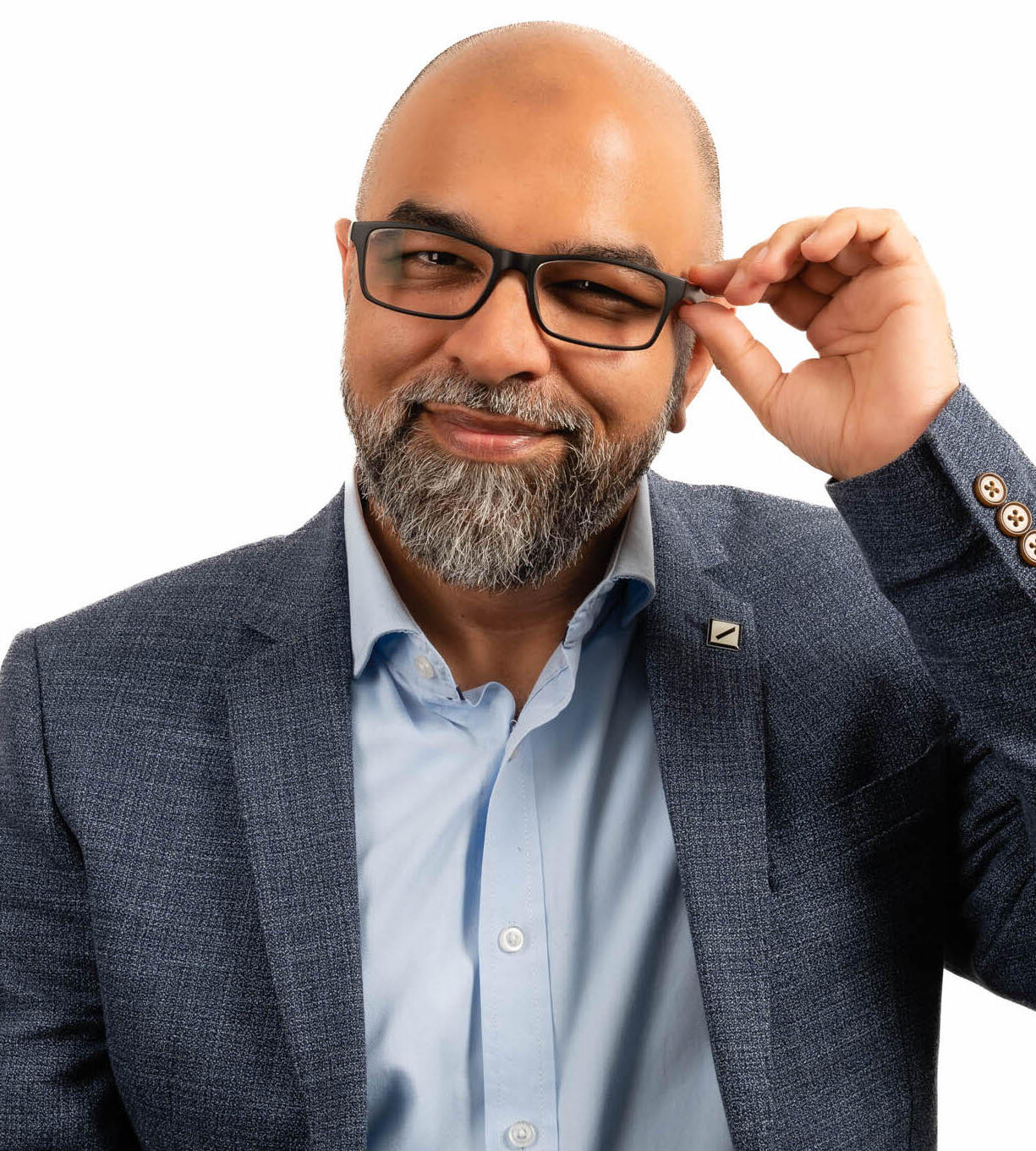
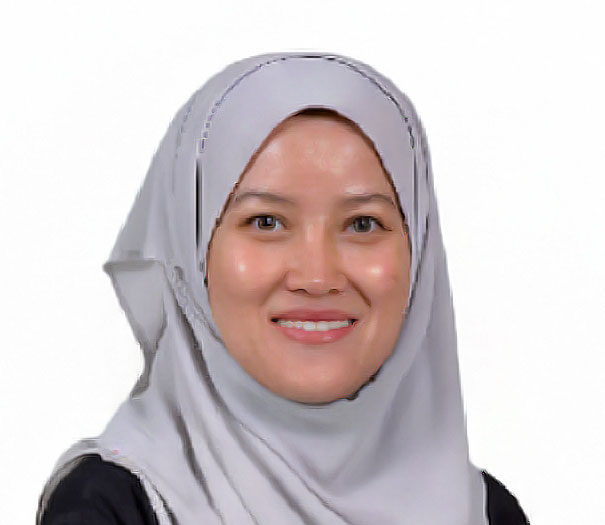 Assoc. Prof. Dr. Umi Asma' Binti Mokhtar
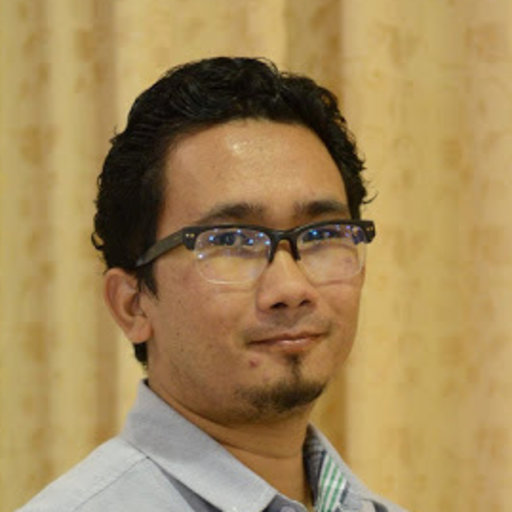 Assoc. Prof. Dr. Khairul Akram Zainal Ariffin
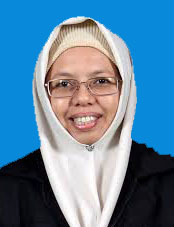 Prof. Dr. Zarina Binti Shukur
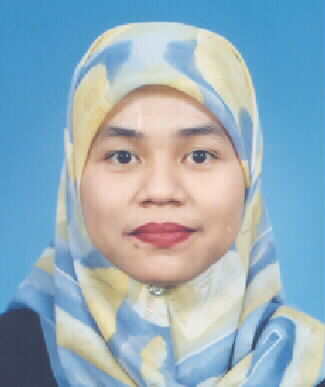 Prof. Dr. Rozilawati Binti Razali
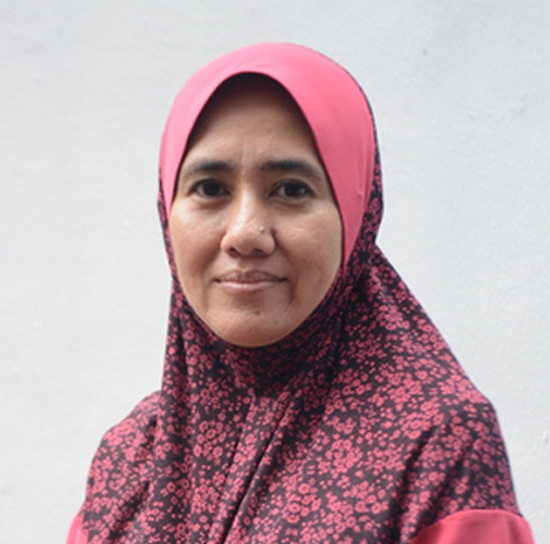 Prof. Dr. Siti Norul Huda Bt. Sheikh Abdullah
Proposed Keynote and Invited Speakers
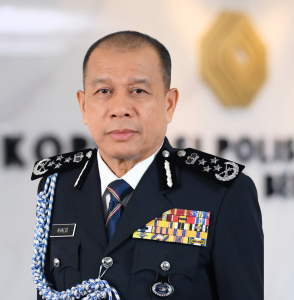
YDH IG Tan Sri Dato’ Seri Haji Mohd Khalid bin Haji Ismail
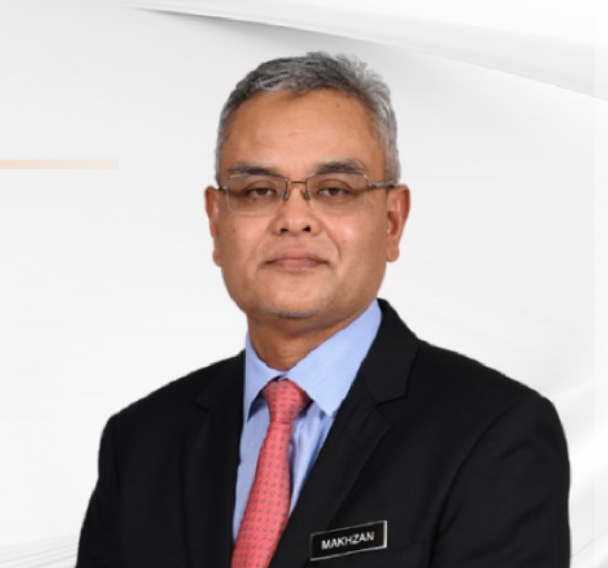
YBhg. Datuk Hj Makhzan bin Mahyuddin
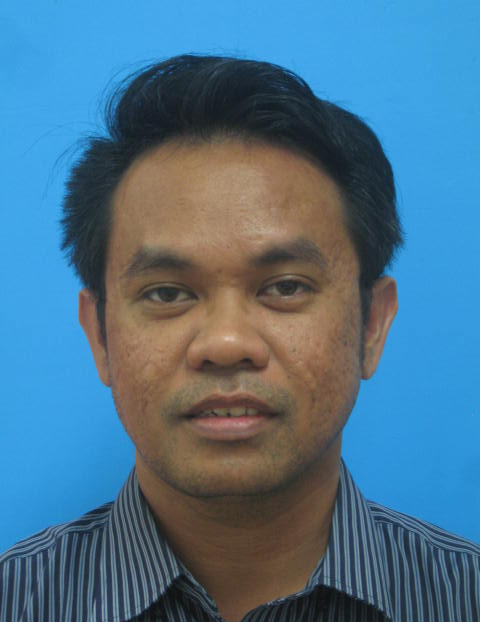
Prof. Ts. Dr. Shukor bin Abd Razak
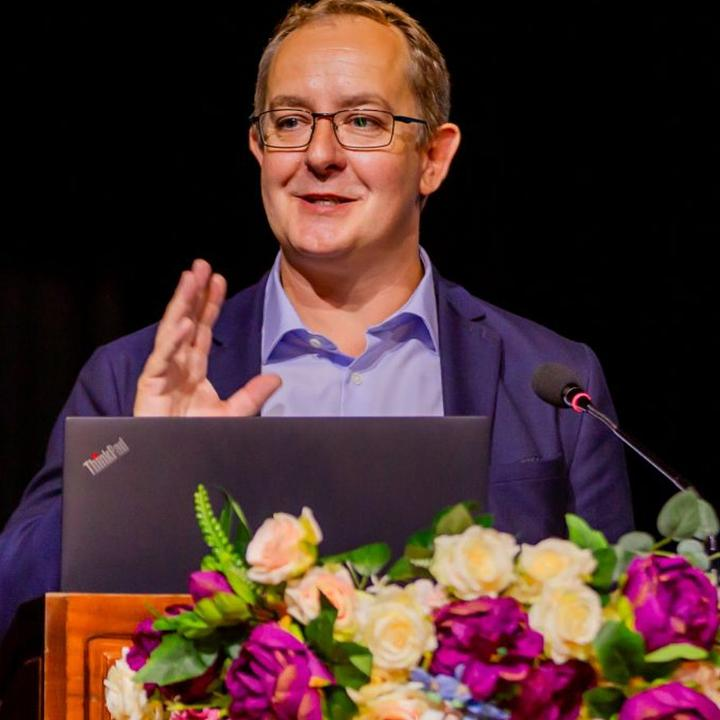
Prof. Nathan Clarke
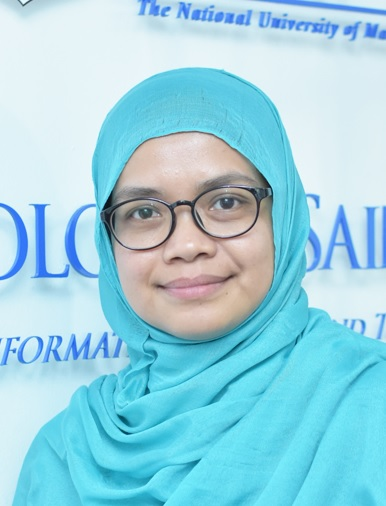
Assoc. Prof. Dr. Masnizah Mohd
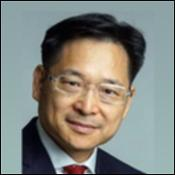
Prof. Lam Kwok Yan

Ts. Tahrizi Tahreb
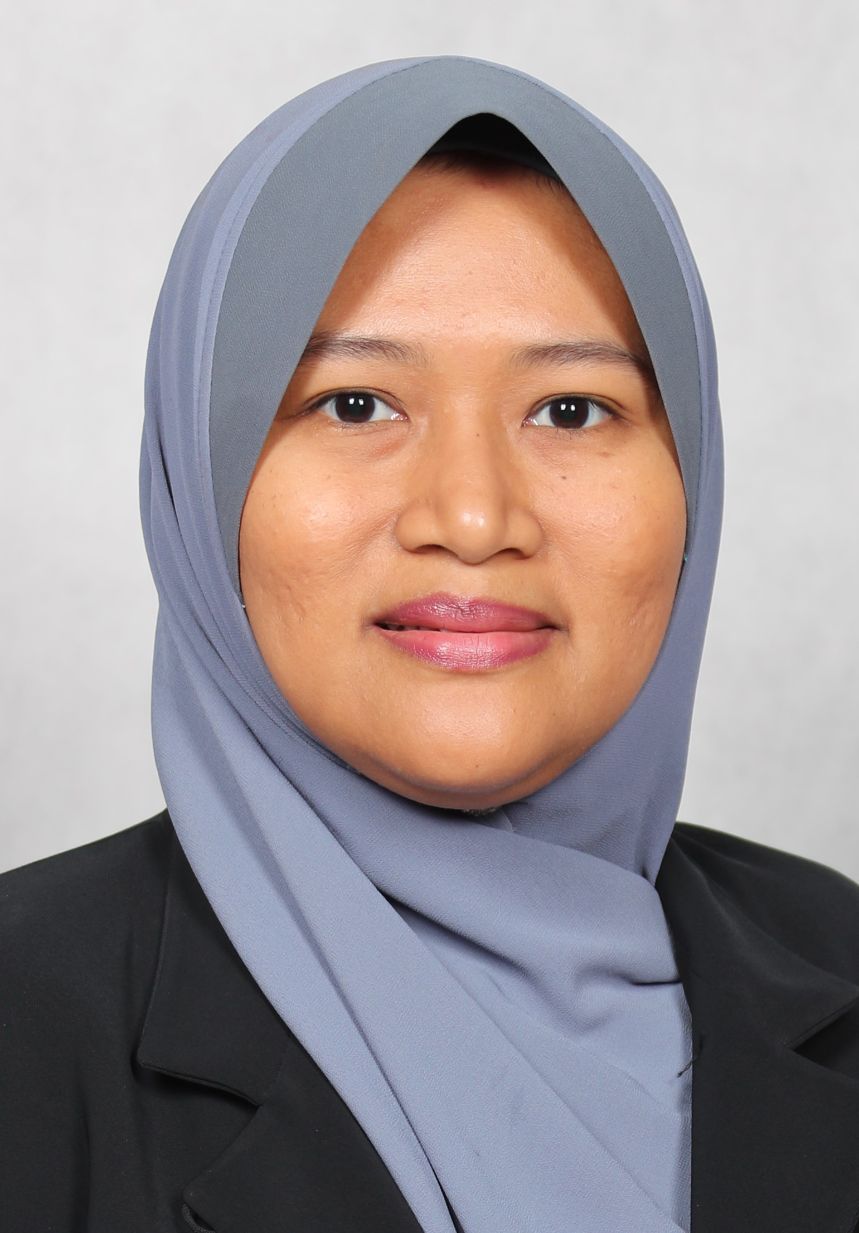
Professor Dr. Madihah Mohd Saudi
Conference Fees
| Category | Type | Fee |
|---|---|---|
| IEEE Member | Local presenter | RM 1,500 |
| International presenter | USD 500 | |
| Local student presenter | RM 1,500 | |
| International student presenter | USD 350 | |
| Non-IEEE Member | Local presenter | RM 1,800 |
| International presenter | USD 700 | |
| Local student presenter | RM 1,800 | |
| International student presenter | USD 450 | |
| Local participant | — | RM 300 |
| International participant | — | USD 100 |
| 2nd additional paper (Local) | — | RM 1,300 |
| 2nd additional paper (International) | — | USD 330 |
Details for Direct Payment
Bank: CIMB Bank
Account Name: PERTUBUHAN AKADEMIA KESELAMATAN SIBER MALAYSIA
Account Number: 8604934296
Organising & International Committees
Organising Committee
- Prof. Ts. Dr. Ainuddin Wahid Bin Abdul Wahab (UM)
- Prof. Dr. Siti Norul Huda Sheikh Abdullah (UKM)
- Prof. Ts. Dr. Shukor Abdul Razak (IEEE)
- SAC Dr Shazrin Azlin Binti Ruslan (IPSOM)
- Dr. Cik Feresa Binti Mohd Foozy (Head)
- Ts. Dr. Nur Hanis Sabrina Suhaimi
- DSP Nor Azlinda Abdul Halim (IPSOM)
- Ts. Dr. Muhammad Faiz Bin Mohd Zaki (UM) (Head)
- Ts. Dr. Ahmad Firdaus Bin Zainal Abidin (UMPSA)
- Dr. Lim Kok Cheng (IEEE)
- Prof. Ts. Dr. Madihah Mohd Saudi (USIM)
- Prof. Madya Dr. Nurlida Basir (USIM)
- Dr Yumn Suhayla Yusoff (USIM)
- Prof. Madya Ts. Dr. Nur Izura Udzir (UPM)
- Prof. Madya Dr. Azizol bin Abdullah (UPM)
- Ts. Tajul Azhar bin Mohd Tajul Ariffin (Politeknik Ungku Omar)
- Nik Nurul Ain Binti Nik Suki (nik.nurul@uniten.edu.my)
- Prof. Madya Ts. Dr. Norziana Jamil (UNITEN)
- Dr. Ji-Jian Chin (University of Plymouth) (Head)
- Prof. Dr. Rosilah Hassan (UKM)
- Dr. Khoo Li Jing (Head)
- Assoc. Prof. Dr. Khairul Akram Zainal Ariffin (UKM)
- Prof. Ts. Dr. Nor Badrul Anuar Bin Juma'at (UM)
- Dr. Noormadinah Allias (Head)
- Ts. Dalilah bt Abdullah (UniKL MIIT)
- Ts. Noor Hazlina Abdul Mutalib (UniKL MIIT)
- Ts. Norhaiza Bt Ya Abdullah (UniKL MIIT)
- Assoc. Prof. Dr. Nurul Nuha Abdul Molok (IIUM)
- Prof. Madya Dr. Nur Haryani Zakaria (UUM)
- Prof. Madya Ts. Dr. Shafiza Mohd Shariff (UniKL)
- Dr. Fakariah Hani Mohd Ali (UiTM) (Head)
- Dr. Nurlida (UiTM)
- Ts. Dr. Saidatul Izyanie Kamarudin (UiTM)
- Ts. Dr. Norkhushaini Awang (UiTM)
- Ts. Dr. Nazhatul Hafizah Binti Kamarudin (UKM) (Head)
- Dr. Rossilawati Sulaiman (UKM)
- Dr. Amelia Natasya Abdul Wahab (UKM)
- Assoc. Prof. Dr. Muhammad Kamrul Hasan (UKM) (Head)
- Dr. Faizan Qamar (UKM)
- Assoc. Prof. Dr. Tutut Herawan (UM)
- Prof. Ts. Dr. Madihah Mohd Saudi (USIM)
- SAC Dr Shazrin Azlin Binti Ruslan (IPSOM)
- Assoc. Prof. Dr. Ani Liza Asnawi (IEEE)
- Prof. Ts. Dr. Shukor Abdul Razak (IEEE)
- Dr. Lim Kok Cheng (IEEE)
- Assoc. Prof. Dr. Ani Liza Asnawi (IEEE)
- Track 1 (Cyber Crime): Prof. Ts. Dr. Madihah Mohd Saudi (USIM)
- Track 2 (Cybersecurity): Assoc. Prof. Dr. Muhammad Kamrul Hasan (UKM)
- Track 3 (Emerging Technologies): Dr. Faizan Qamar (UKM)
Steering Committee
- Prof. Dr. Ainuddin Wahid Bin Abdul Wahab (UM)
- Prof. Ts. Dr. Madihah Mohd Saudi (USIM)
- Prof. Ts. Dr. Nor Badrul Anuar Bin Juma'at (UM)
- Prof. Ts. Dr. Omar Zakaria (UPNM)
- Prof. Ts. Dr. Rabiah Binti Ahmad, FASc (UTHM)
- Prof. Dr. Rosilah Hassan (UKM)
- Prof. Ts. Dr. Shukor Bin Abd Razak (UniSZA)
- Prof. Dr. Zarina Shukor (UKM)
- Prof. Madya Dr. Azah Anir Norman (UM)
- Prof. Madya Dr. Johari bin Abdullah (UNIMAS)
- Prof. Madya Dr. Khairul Akram Zainol Ariffin (UKM)
- Prof. Madya Ts. Dr. Mohamad Fadli Zolkipli (UUM)
- Prof. Madya Dr. Muhammad Kamrul Hasan (UKM)
- Prof. Madya Dr. Nurlida Basir (USIM)
- Prof. Madya Dr. Nurul Nuha Abdul Molok (IIUM)
- Prof. Madya Ts. Dr. Shafiza Mohd. Shariff (UniKL)
- Prof. Madya Dr. Umi Asma' Mokhtar (UKM)
- Ts. Dr. Abdul Ghafar Jaafar (UTM)
- Ts. Dr. Mohd Fairuz Iskandar Othman (UTeM)
- Ts. Dr. Nur Hanis Sabrina Suhaimi (UKM)
- Ts. Dr. S.M. Warusia Mohamed Bin S.M.M Yassin (UTeM)
- Dr. Cik Feresa Binti Mohd Foozy (UTHM)
- Dr. Faizan Qamar (UKM)
- Dr. Khoo Li Jing (University of Wollongong Malaysia)
- Dr. Muhammad Faiz Mohd Zaki (UM)
- Dr. Nazhatul Hafizah Kamarudin (UKM)
- Dr. Noormadinah Allias (UiTM)
- Dr. Nor Masri Sahri (UiTM)
- Dr. Rossilawati Sulaiman (UKM)
- Dr. Shuhaili Talib (IIUM)
- Dr. Yumn Suhayla Yusoff (USIM)
- Ts. Dalilah bt Abdullah (UniKL)
- Ts. Noor Hazlina Abdul Mutalib (UniKL)
- Ts. Norhaiza Bt Ya Abdullah (UniKL)
- Ts. Tajul Azhar bin Mohd Tajul Ariffin (PUO)
International Committee
- Dr. Nor Masri Sahri (UiTM)
- Prof. Dr. Ainuddin Wahid Bin Abdul Wahab (UM)
- Prof. Ts. Dr. Nor Badrul Anuar Bin Juma'at (UM)
- Prof. Md. Abdur Razzaque, University of Dhaka, Bangladesh
- Prof. Hardik Goel, University of Houston–Victoria, Texas, USA
- Prof. Keith Martin, Information Security, Royal Holloway, UK
- Prof. Gautam Srivastava, Brandon University, Canada
- Prof. Hadis Karimipour, University of Calgary, Canada
- Prof. Md. Arafatur Rahman, University of Wolverhampton, UK
- Prof. Weishan Zhang, University of Petroleum (East China), China
- Prof. Thippa Reddy Gadekallu, Zhejiang A&F University, China
- Prof. Marcos Faundez Zanuy, Pompeu Fabra University, Spain
- Prof. John Kamau, Mount Kenya University, Kenya
- Prof. Amir Hussain, University of Oxford, UK
- Prof. Bishwajeet Pandey, GL Bajaj Institute of Technology and Management, India
- Prof. Suman Pandey, Gwangju Institute of Science and Technology, Korea
- Prof. Dr. Atif Ahmad, University of Melbourne
- Prof. Dr. Bogdan Ghita, University of Plymouth
- Prof. Dr. Jenny Zhang, RMIT University
- Prof. Dr. Kangbin Yim, Soonchunhyang University
- Prof. Dr. Liu Yuling, Hunan University, China
- Prof. Dr. Miss Laiha Mat Kiah, Universiti Malaya
- Prof. Dr. Siti Norul Huda Sheikh Abdullah, UKM
- Prof. (Dr.) Madhu Sharma Gaur, GL Bajaj Institute of Technology, India
- Prof. Chiroma Haruna, Haifar Al Bath Uni, Saudi Arabia
- Prof. Md. Sarwar Hossain, Pubna University of Science and Technology, Bangladesh
- Prof. Nor Shahriza Abdul Karim, Prince Sultan University, Riyadh, Saudi Arabia
- Prof. Rajesh Kumar Dhanaraj, Symbiosis International University, Pune, India
- Prof. Rashid A Saeed, Lusail University, Qatar
- Prof. Shabkib Hakak, New Brunswick University, Canada
- Prof. Yousef Farhaoui, Muhammad V University, Morocco
- Prof. Chakchai So-In, Khon Kaen University
- Prof. Dr. S. B. Goyal, Chitkara University, Punjab, India
- Prof. Bilal Bataineh, Philadelphia University, Jordan
- Prof. Dr. Yoanes Bandung, Institute Technology Bandung (ITB), Indonesia
- Assoc. Prof. Dr. Anwar Hassan Ibrahim, Qassim University, Saudi Arabia
- Assoc. Prof. Dr. Atheer Bassel, University of Anbar, Iraq
- Assoc. Prof. Dr. Dheeb Albashish, Al-Ahliyya Amman University, Jordan
- Assoc. Prof. Dr. Mohiuddin Ahmed, Adelaide University
- Assoc. Prof. Dr. Norziana Jamil, United Arab Emirates University
- Assoc. Prof. Dr. Taj-Aldeen Naser Abdali, University of Misan, Iraq
- Assoc. Prof. Dr. Tarik Abu-Ain, Saudi Electronic University, KSA
- Assoc. Prof. Dr. Tutut Herawan, Universiti Malaya
- Assoc. Prof. Dr. Waleed Abdelkarim Abuain, Taibah University, KSA
- Assoc. Prof. Dr. Zaid Alyasseri, ITRDC, University of Kufa, Iraq
- Assoc. Prof. Mohamad Khairi Ishak, University of Sharjah, UAE
- Assoc. Prof. Dr. Rahmad Kurniawan, Universitas Riau, Indonesia
- Assoc. Prof. Dr. Erick Fernando, Universitas Multimedia Nusantara
- Assistant Prof. Dr. Riyadh Rahef Nuiaa Alogaili
- Dr. Muhammad Attique Khan, Prince Mohammad bin Fahd University, KSA
- Dr. Lubna Luxmi Dhirani, University of Limerick, Ireland
- Dr. Weiwei Jiang, Beijing University of Posts and Telecommunications, China
- Dr. Rutvij H. Jhaveri, Pandit Deendayal Energy University, India
- Dr. Hussam Al Hamadi, Dubai University, UAE
- Dr. Inam Ullah, Gachon University, Korea
- Dr. Abdelbasset Azzouz, Saida University, Algeria
- Dr. Abdulatif Alabdultif, Qassim University, Saudi Arabia
- Dr. Ahmed Hadi Ali AL-Jumaili, University of Fallujah, Anbar, Iraq
- Dr. Ali Nouman, Yeungnam University, Republic of Korea
- Dr. Amjed Abbas Ahmad, Imam Al-Kadhum University College
- Dr. Amjed Sid Ahmed Mohamed, Global College of Engineering and Technology, Oman
- Dr. Ashwaq Qasem, Xiamen University Malaysia
- Dr. Bahera Hani Nayef, Al Nahrain University, Baghdad, Iraq
- Dr. Bedir Yılmaz, LCM Digital, Germany
- Dr. Dk Hayati Pg Hj Mohd Yassin, Universiti Brunei Darussalam
- Dr. Fadele Ayotunde Alaba, Zaria Uni, Nigeria
- Dr. Farshid Pirahansiah, AMERIA AG, Heidelberg, Germany
- Dr. Guntha Karthik, Stanley College of Engineering and Technology for Women, India
- Dr. Hai-Van Dang, University of Plymouth
- Dr. Hamza Bali, University of Adelaide, Australia
- Dr. Izyani Ahmad, Kolej Komuniti Jelebu
- Dr. Jawad Ahmad, Prince Mohammad Bin Fahd University, Saudi Arabia
- Dr. Je Sen Teh, Deakin University
- Dr. Ji-Jian Chin, University of Plymouth
- Dr. Khaleel Ahmad, Maulana Azad National Urdu University, India
- Dr. Lizhuang Tan, Qilu University of Technology, China
- Dr. Manar Mizher, Al al-Bayt University
- Dr. Mousa'b Mohammad Shtayat, Philadelphia University, Amman, Jordan
- Dr. Muhamad Irsan, Telkom University, Bandung, Indonesia
- Dr. Muhammad Ali Fauzi, Universitas Brawijaya Malang, Indonesia
- Dr. Muhammad Nuruddin bin Sudin, USIM
- Dr. Nader Sohrabi Safa, University of Worcester, UK
- Dr. Rahmad Abdillah, UIN Sultan Syarif Kasim Riau
- Dr. Samar Kamil, Al‑Mansour University College, Iraq
- Dr. Sitti Rachmawati Yahya, Universitas Siber Asia, Jakarta
- Dr. Soumi Dutta, Sister Nivedita University, India
- Dr. Sunil Prajapat, Marwadi University, India
- Dr. Wencheng Yang, University of Southern Queensland, Australia
- Dr. Hanane Lamaazi, UAE University
- Dr. Aamir Z. Shaikh, NED University of Engineering and Technology, Pakistan
- Dr. Ali Nauman, Yeungnam University, Republic of Korea
- Dr. Nickson M. Karie, Curtin University, Western Australia
- Dr. Nurul Halimatul Asmak Ismail, Princess Nourah bint Abdulrahman University
- Kapt. Ts. Dr. Muhamad Lazim bin Talib, Universiti Pertahanan Nasional Malaysia
- Md. Riad Hassan, Green University of Bangladesh
- Ashok Kumar Kanagala, Snap Finance, Massachusetts, USA
Strategic Partners & Co-Sponsors



Conference Venue
Bangi Resort Hotel
A prominent 5-star conference resort situated atop the highest peak in Bandar Baru Bangi, offering a serene environment and world-class amenities.
Address:
Off Persiaran Bandar, 43650 Bandar Baru Bangi, Selangor, Malaysia
Contact Information
Get in Touch
Conference Email:
icrcsecretariat@csam.my
Conference Website:
https://www.csam.my/crc2026/
Address:
Research Center for Cyber Security, Faculty of Information Science and Technology, Universiti Kebangsaan Malaysia, 43600.
Paper Submission
Submit your paper through EasyChair. Submission deadline is 30 July 2026 (final).
For queries, email us at icrcsecretariat@csam.my